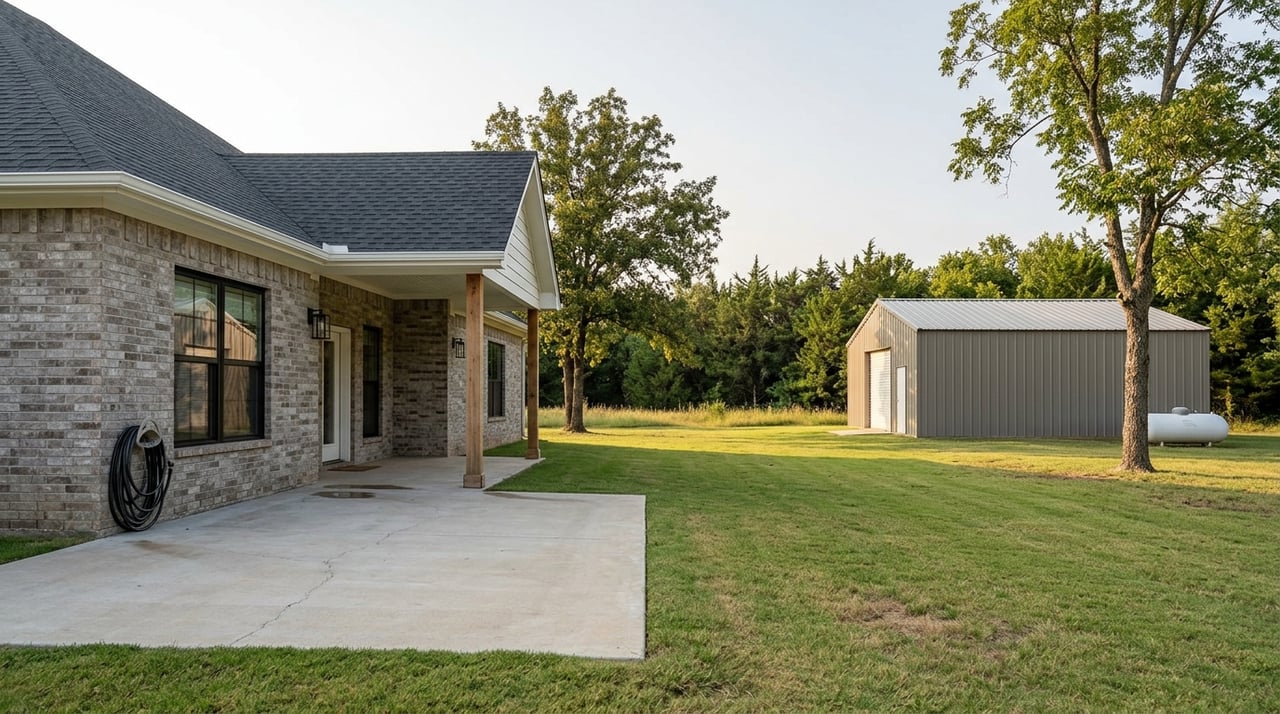
If more space is at the top of your wish list, acreage in Piedmont can be very appealing. But buying land is not quite the same as buying a home on a standard suburban lot. In Piedmont, the details behind the land, like zoning, water, sewer, drainage, and maintenance, can have a big impact on your daily life and long-term costs. Let’s dive in.
Why acreage in Piedmont is different
Piedmont offers a wide variety of homesites, but not every larger lot works the same way. The city describes local terrain as ranging from river valleys to hills, canyons, sand dunes, and rock or gypsum formations, which means two properties with similar acreage can have very different grading, drainage, and driveway needs. You can review the city’s overview for new residents on the Piedmont resident guide.
That is why acreage shopping should go beyond the listing photos. The real value is not just the number of acres. It is how the property functions, what it allows, and what it may require you to maintain.
Start with zoning and lot type
One of the first things to confirm is how the property is zoned. Piedmont’s zoning code creates a clear transition from agricultural land to rural estate lots and then to more conventional residential neighborhoods. You can see the full breakdown in the city’s zoning ordinances.
Here is the basic idea buyers should understand:
- A-1 is intended to preserve agricultural use on the urban fringe.
- RE parcels typically range from 2.5 to 4.99 acres and may allow residential use, farm animals, and limited agriculture.
- RE-1 parcels typically range from 1 to 2.49 acres and may use public water or a private well with subsurface sewage absorption.
- RE-2 parcels typically range from 21,780 square feet to 0.99 acre and are designed around public water with a subsurface sewage absorption field.
- RS-3 is a smaller residential district limited to properties served by adequate public water and public sewer.
This matters because zoning affects more than lot size. It can shape whether a property may support animals, accessory structures, or certain land uses you may be planning.
Questions to ask about zoning
Before you move forward on a property, ask:
- Is the home inside city limits or outside them?
- Which zoning district applies?
- Are barns, shops, or other outbuildings allowed?
- Are animals permitted under the zoning?
- Are there deed restrictions or HOA rules that narrow what you can do with the land?
A larger lot does not automatically mean complete flexibility. Zoning and private restrictions both matter.
Utilities can change the true monthly cost
With acreage, utility setup is often one of the biggest differences from a standard neighborhood home. Piedmont states that it maintains water and sewer mains both inside and outside city limits, and its utility department also manages trash service and road maintenance. The city’s water and sewer information shows separate inside-city and outside-city charges, plus road maintenance fees, capital improvement fees, and tap fees that increase with meter size and are higher outside city limits.
That means your costs may depend on more than whether a house is connected. You also want to know where the property sits, what utility service is available today, and whether any upgrades or tap fees could affect your budget.
Piedmont is also investing in future infrastructure. In 2025, the Piedmont Municipal Authority received a loan for water and wastewater system improvements, including a secondary Oklahoma City water connection, a booster pump station, a new storage tank, well rehabilitation, and wastewater upgrades. For buyers, that is a reminder that utility capacity and infrastructure are active issues in the area.
Ask these utility questions early
When you are looking at acreage in Piedmont, make sure you know:
- Is water provided by a public system, a private well, or both?
- Is sewer available, or does the home rely on septic?
- Are there extra fees for being outside city limits?
- Who handles trash and road maintenance?
- Will you need future utility upgrades for a new build or major addition?
These answers can affect both your monthly expenses and your long-term plans for the property.
Wells and public water are not the same
For many buyers, acreage is the first time they have had to compare public water service with private well ownership. That is an important shift. According to the Oklahoma Secretary of Energy and Environment, public water systems are routinely monitored, while private wells are not regulated in the same way.
If a property uses a private well, you become responsible for water safety and testing. The state recommends annual testing for total coliform bacteria, nitrate, conductivity, and pH, along with extra attention if the water changes or if nearby land uses could affect quality. Well drillers and pump installers are licensed through the Oklahoma Water Resources Board to help protect groundwater and construction standards.
This does not make a well a bad option. It just means the ownership experience is more hands-on than a typical city-utility setup.
Septic systems deserve close attention
Septic is another area where acreage buyers need to slow down and ask good questions. Oklahoma State University Extension explains that, for most systems in Oklahoma, a home using public water generally needs at least 1/2 acre, while a home using an individual drinking water well generally needs 3/4 acre. Their guidance on basic septic system rules in Oklahoma also notes that new septic installations and modifications require a DEQ permit before work begins.
The same guidance says septic components must be located on the owner’s property or within a dedicated recorded easement. That is important if you plan to add a pool, shop, expanded patio, or other permanent improvement. You should also ask where the repair area is located and confirm that nothing has been built over it.
If the property uses an aerobic treatment unit, Oklahoma rules require a two-year installer warranty. Even so, ongoing care still matters. Tanks, lids, and drainage areas need to remain accessible and protected.
Septic questions to ask the seller
A few smart questions can save you trouble later:
- What type of septic system serves the home?
- When was it installed or last modified?
- Where are the tank, lateral lines, and repair area located?
- Has anything permanent been built over any part of the system?
- Is there documentation for permits, warranty coverage, or maintenance?
Drainage and access matter more than buyers expect
On acreage, the land itself can create costs or convenience that are easy to miss during a quick showing. Piedmont’s varied terrain means drainage patterns, driveway design, and grading can differ a lot from one tract to another. A property that looks simple on paper may handle heavy rain very differently than the parcel next door.
This is especially important if you plan to build or make major improvements. Piedmont requires building permits and plot plans showing easements, driveways, and drainage details, according to the city’s Community Development department. The site also notes that for non-residential site plan review, the code calls for PE-certified drainage plans on tracts larger than one acre.
Look beyond the house itself
When touring acreage, pay attention to:
- How the driveway meets the road
- Whether low spots show signs of standing water
- Where runoff appears to travel after rain
- Who maintains the road or driveway
- Whether fences, gates, or outbuildings affect access
These are practical details, but they shape daily living on a larger property.
Compare acreage to a standard neighborhood lot
Acreage in Piedmont often offers privacy, room for hobbies, and more flexibility than a compact suburban lot. But it also shifts more responsibility to you. Instead of focusing only on bedroom count and finishes, you may be evaluating mowing, fencing, drainage, septic care, well testing, and utility setup.
That is why the best comparison is not simply “more land versus less land.” It is whether you want a more self-contained property and the maintenance that comes with it. For the right buyer, that tradeoff can be well worth it. The key is understanding it before you buy.
A smart acreage checklist for Piedmont buyers
If you are serious about buying acreage, use this short checklist as a starting point:
- Confirm whether the property is inside or outside city limits
- Verify the zoning district and what it allows
- Identify the water source and sewer or septic setup
- Ask about well testing or septic records if applicable
- Review road, driveway, and drainage conditions
- Check for HOA rules or deed restrictions
- Understand any utility fees tied to location or service type
- Ask what future improvements may require permits or plot plans
The more land you buy, the more due diligence matters.
If you are weighing acreage in Piedmont and want help sorting through the details, working with a local team can make the process much less overwhelming. Shelby Laws can help you compare properties, ask the right questions, and move forward with clarity.
FAQs
What does acreage zoning mean in Piedmont?
- In Piedmont, zoning helps define lot size, utility setup, and possible land uses. Districts like A-1, RE, RE-1, and RE-2 each have different standards, so it is important to confirm the exact zoning before you buy.
What utilities should you check before buying acreage in Piedmont?
- You should confirm whether the property has public water, a private well, sewer service, or septic. You should also ask about inside-city versus outside-city utility fees, road maintenance fees, and any tap costs that may apply.
What should you know about septic systems on Piedmont acreage?
- You should find out what type of septic system is installed, where the tank and repair area are located, and whether any permits, warranties, or maintenance records are available. This is especially important if you plan future improvements.
What should you know about private wells on Piedmont acreage?
- Private well ownership means you are responsible for water safety and routine testing. Oklahoma recommends annual testing for items like total coliform bacteria, nitrate, conductivity, and pH.
What site issues matter most when buying land in Piedmont?
- Drainage, grading, driveway access, and road maintenance are all important. Because Piedmont’s terrain varies widely, two similarly sized lots can function very differently after heavy rain or during future construction planning.
Is acreage in Piedmont better than a traditional suburban lot?
- It depends on your goals. Acreage can offer more space, privacy, and flexibility, but it also usually brings more maintenance and more utility-related decisions than a standard neighborhood property.