If you love the idea of shorter commutes, local restaurants, historic character, and more to do close to home, central Oklahoma City can feel like a different world from the outer edges of the metro. That can be exciting, but it also raises real questions about housing options, daily life, and whether the area fits the way you want to live. In this guide, you’ll get a practical look at what living in central OKC is really like, from neighborhoods and home styles to parks, transit, and key things to consider before you buy. Let’s dive in.
What makes central Oklahoma City unique
Oklahoma City covers about 621 square miles, according to the City of Oklahoma City. That size helps explain why living near the core feels very different from living farther out in the metro.
Central OKC brings together the city’s business center, entertainment districts, historic neighborhoods, and some of its strongest transit connections. If you want a more urban lifestyle with easier access to dining, events, parks, and work hubs, this part of the city stands out.
Central districts to know
Several central districts shape the lifestyle of this area. Each one offers a different feel, which can help you narrow down what kind of setting fits you best.
Midtown living
Midtown sits just north of downtown and includes shopping, restaurants, bars, housing, lodging, and professional services. It appeals to buyers who want a central location where daily errands, dining, and social plans can be closer together.
Bricktown lifestyle
Bricktown is one of the most recognizable districts in Oklahoma City. It is known for the canal, ballpark, restaurants, nightlife, and entertainment, making it a major draw for people who want activity close by.
Automobile Alley access
Automobile Alley is a former car-dealer district that has become walkable and transit-friendly. Today, it blends repurposed warehouse buildings with shopping, dining, nightlife, and murals.
Deep Deuce character
Deep Deuce carries major cultural significance and has deep ties to Black culture and jazz in Oklahoma City. For buyers, that means the area offers more than convenience alone. It also holds an important place in the city’s history.
Paseo arts setting
Paseo is OKC’s arts district and supports an arts-driven lifestyle with nearly 80 working artists and 20 studios. The district is also known for its Spanish Revival identity, including original stucco buildings and clay tile roofs.
Uptown 23rd atmosphere
Uptown 23rd has a more casual district feel, with dining, shopping, drinking spots, and Route 66-era architecture. If you want a central location that feels active but a little more laid-back, this area may be worth a closer look.
What homes look like in central OKC
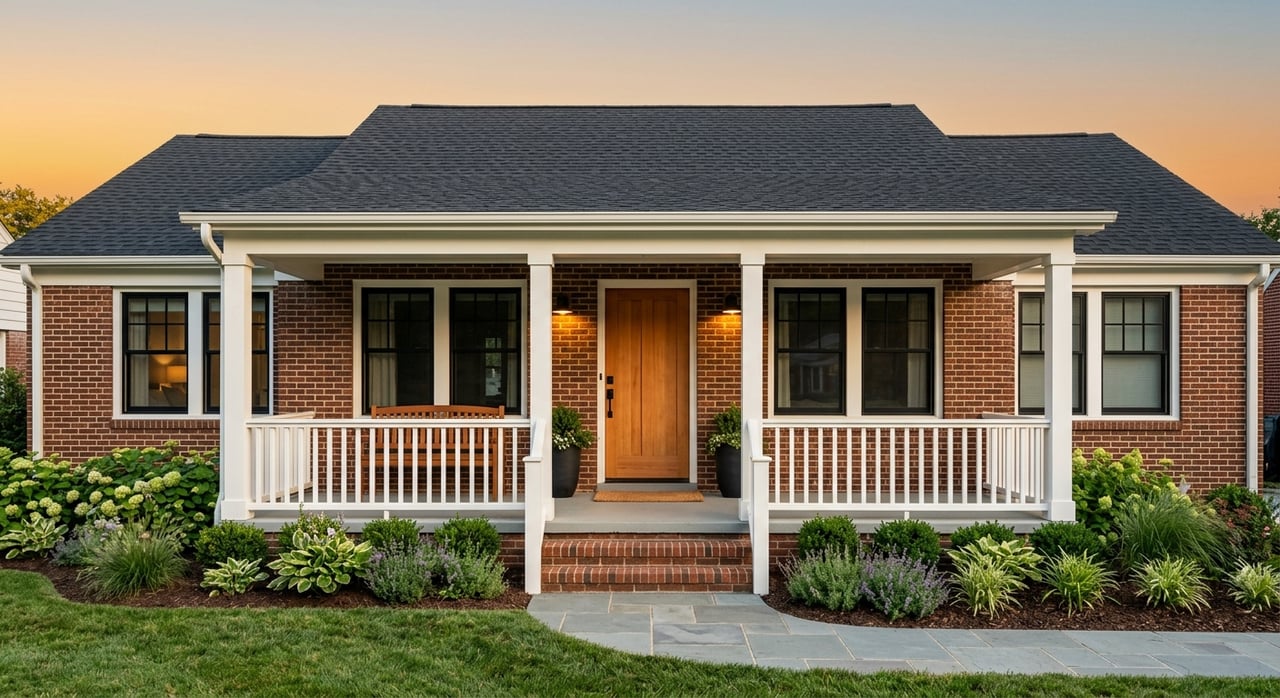
One of the biggest draws of central Oklahoma City is variety. Instead of one dominant housing type, you’ll find a mix of historic homes, redeveloped properties, apartments, condos, and infill development.
That can be a major plus if you want choices. It also means your search may look different from a typical suburban home search, especially if you are comparing charm, lot size, upkeep, and convenience.
Historic home styles
In areas like Mesta Park, the neighborhood dates back to 1902 and includes early-20th-century architecture such as Prairie, Foursquare, Craftsman, Tudor Revival, and Colonial Revival homes. Heritage Hills, Oklahoma City’s first local historic district, is also known for architecturally diverse residential buildings, including revival styles, Craftsman homes, and Prairie houses.
If character matters to you, central OKC offers architectural details that are hard to replicate in newer construction. You may see original design features, established streetscapes, and homes with a stronger sense of history.
Downtown and redeveloped housing
Downtown living now includes much more than one type of property. Current downtown options highlighted by Visit OKC include modern apartments, micro-units, historic redevelopments, and high-rise residences.
For buyers, that creates flexibility. You might choose a detached historic house in one area, then compare it with a condo-style property or adaptive-reuse project closer to downtown.
Daily life in central Oklahoma City
For many buyers, central OKC is less about one specific neighborhood and more about how life feels day to day. Access is the big story here.
You can live closer to restaurants, parks, cultural spots, events, and work centers, often with less dependence on long drives across the metro. That convenience is a major reason many buyers look to the urban core.
Dining and entertainment
Central OKC includes some of the city’s most visible dining and entertainment districts. Bricktown draws visitors and residents for nightlife and events, Midtown mixes urban dining with local merchants and events, and Automobile Alley adds shopping and murals into the experience.
Paseo offers an arts-centered setting, while Uptown 23rd brings a smaller district feel with casual places to gather. Together, these districts give central OKC a lifestyle that feels active and connected.
Parks and green space
Central Oklahoma City also offers strong access to outdoor space. Scissortail Park is a 70-acre downtown park, and Myriad Botanical Gardens adds 15 acres in the heart of downtown.
Beyond that, the Oklahoma River corridor includes about 7 miles of river lakes with trails along both banks. The city park system includes more than 170 parks and more than 100 miles of trails, with an inter-connected trail network that the city says is close to almost every point in Oklahoma City.
If you want an urban setting without giving up outdoor time, that balance is one of central OKC’s biggest advantages. Parks here are not just nice extras. They are active parts of everyday life.
Getting around from central OKC
If commute time matters to you, central Oklahoma City has some of the best transit concentration in the city. The OKC Streetcar connects downtown with Bricktown, Midtown, and Automobile Alley.
That link matters because it connects several of the city’s most popular central districts. It can make it easier to move between work, dining, entertainment, and errands without relying only on a car for every stop.
EMBARK bus routes also converge on the Downtown Transit Center. According to city transit information and the EMBARK system map, those connections serve major destinations such as the OU Medical Center and Children’s Hospital, the State Capitol, and the Plaza District area.
Important buyer considerations
Central OKC can be a great fit, but it helps to go in with clear expectations. Older housing stock, historic districts, and design rules can affect what you buy and what you can change later.
That does not make central neighborhoods harder to love. It just means you should understand the practical side before you close.
Historic preservation rules
Many central neighborhoods are located within historic preservation or design-review districts. The City of Oklahoma City says these districts preserve areas with historical, cultural, architectural, engineering, or archaeological significance.
If you buy in one of these areas, exterior updates, additions, or demolitions may require a Certificate of Approval or similar review. Before you make an offer, it is smart to understand whether the property falls under those rules and how that could affect your plans.
Housing tradeoffs to expect
Central OKC often gives you more character, more walkable districts, and easier access to daily activity than many outer-metro areas. In return, you may be looking at older homes, smaller lots in some areas, or a different mix of property types than you would find in newer suburban neighborhoods.
For some buyers, that tradeoff is exactly the point. If you value location and lifestyle, central Oklahoma City offers a distinctly urban option inside a much larger and more spread-out city.
Is central Oklahoma City right for you?
Central Oklahoma City can make a lot of sense if you want to live closer to the action, enjoy established neighborhoods, or prefer a home with more personality than a typical newer-build subdivision. It can also be a strong option if you want better access to parks, trails, downtown employers, and some of the city’s most active districts.
The key is knowing what matters most to you. If you want help comparing central OKC living with suburban options across the metro, Shelby Laws can walk you through the tradeoffs, narrow your search, and help you move forward with confidence.
FAQs
What is central Oklahoma City known for?
- Central Oklahoma City is known for its mix of downtown access, historic neighborhoods, entertainment districts, restaurants, parks, trails, and some of the city’s strongest transit connections.
What types of homes are available in central Oklahoma City?
- Central OKC offers a mix of detached historic homes, small-lot infill, apartments, condo-style living, adaptive-reuse projects, modern apartments, micro-units, and high-rise residences.
Which central Oklahoma City districts should homebuyers explore?
- Popular central districts to explore include Midtown, Bricktown, Automobile Alley, Deep Deuce, Paseo, and Uptown 23rd, each with its own mix of housing, dining, and lifestyle features.
Are there parks and trails near central Oklahoma City homes?
- Yes. Central OKC includes access to Scissortail Park, Myriad Botanical Gardens, the Oklahoma River corridor, more than 170 city parks, and more than 100 miles of trails.
Do historic district rules affect homes in central Oklahoma City?
- Yes. Many central neighborhoods are in historic preservation or design-review districts, and exterior changes, additions, or demolitions may require city review or a Certificate of Approval.